The hanging gardens of Babylon
15 August till 26 September 2010
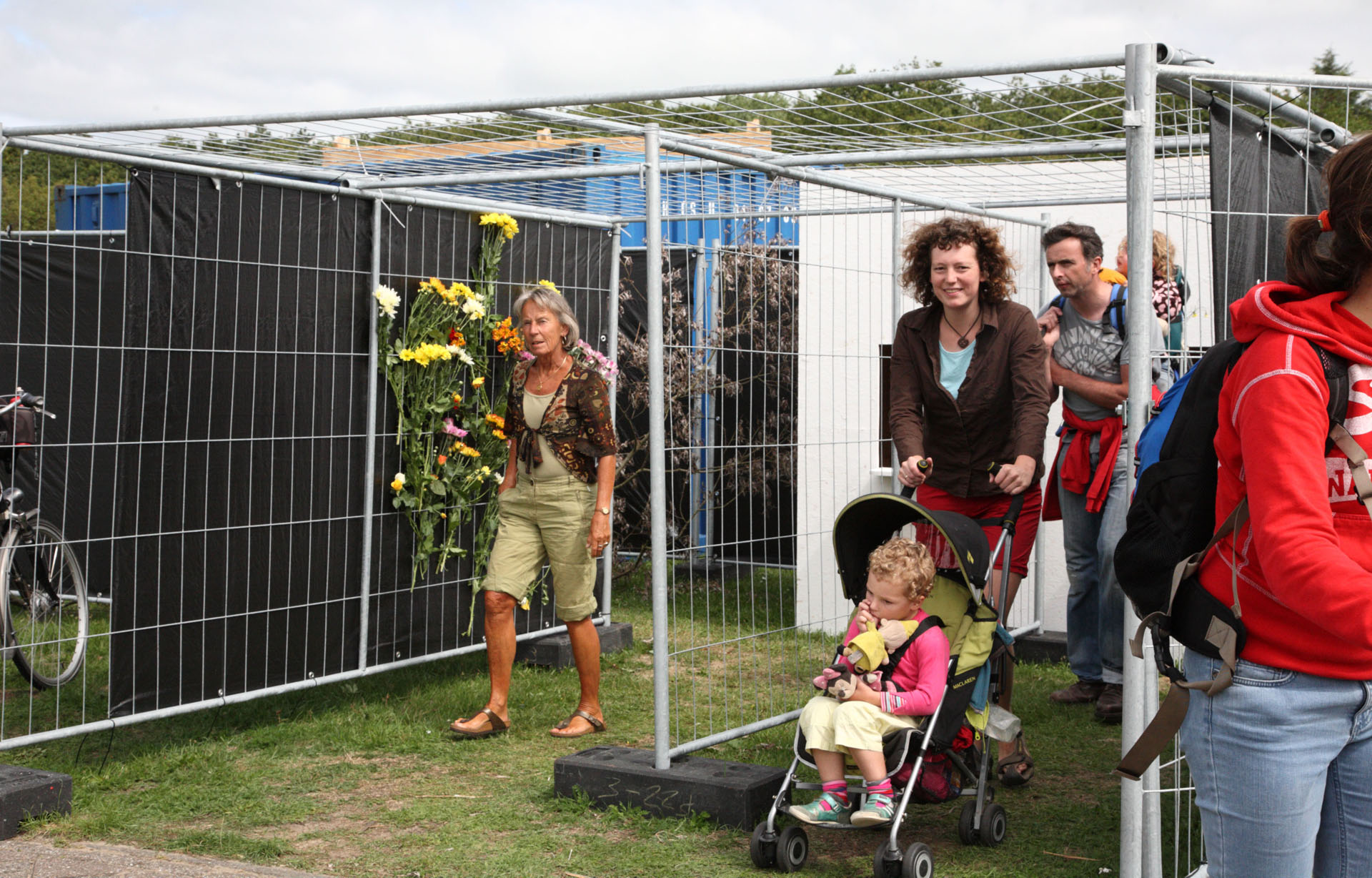
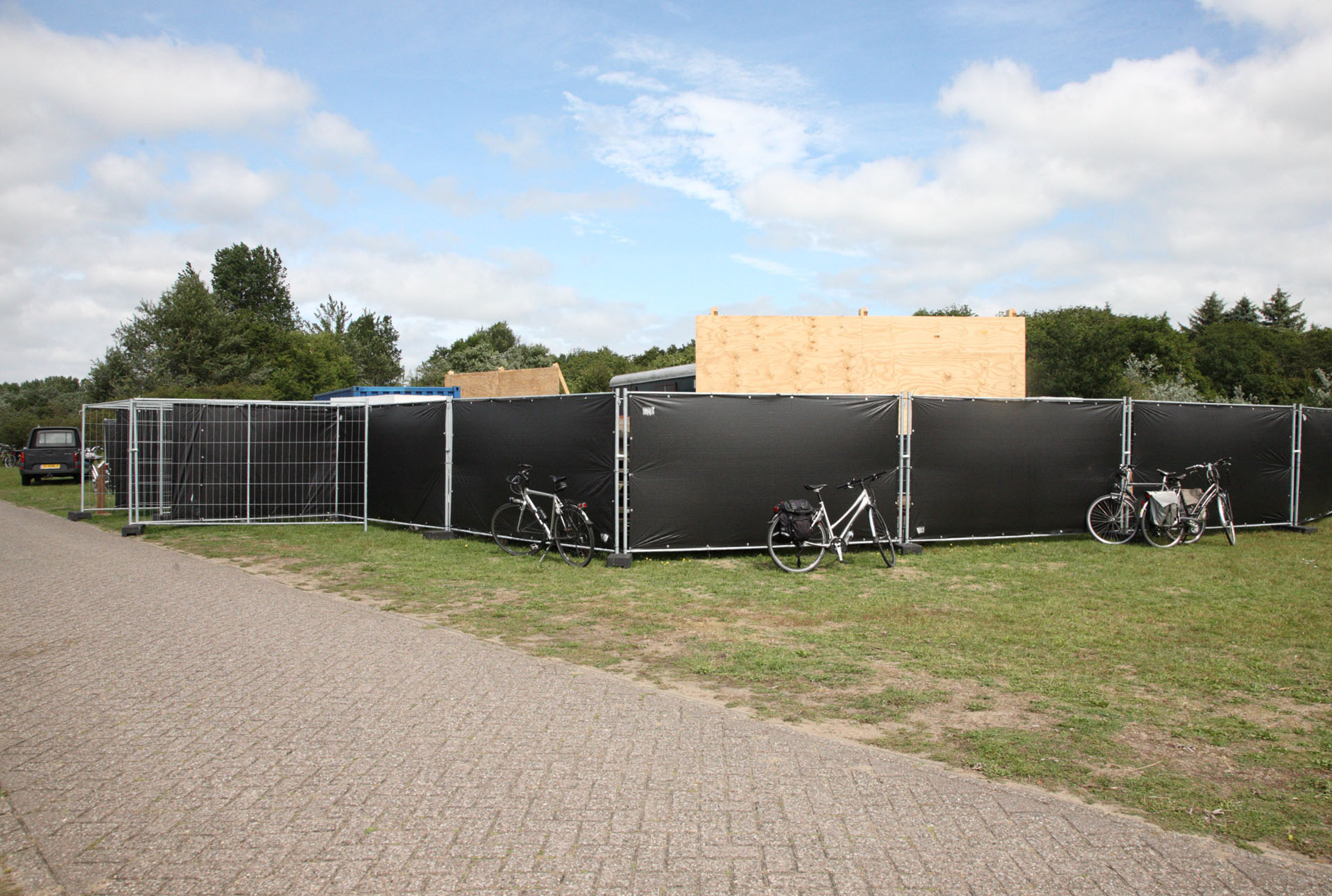
HEEMSKERK — In the Natura 2000 dune landscape near the Kruisberg, I temporarily made the underlying conditions of this nature reserve visible during the summer of 2010. By inviting materials from outside the area into the reserve, a lively dialogue emerged about the meaning and construction of this landscape. Together with the organizers, I discussed why a car was not allowed to be exhibited in the area, while a sailing yacht was. With visitors confronted by this unusual collection of objects, I discussed the rules and conditions that define this nature reserve. This “material intervention” formed part of the exhibition Schone Schijn (“Appearances Can Be Deceiving”).
PWN Water Supply Company North Holland is responsible for managing this nature reserve. At a certain point, the organization felt that the artistic process was affecting its green public image. It then became essential that the curator involved continued to support the research. Otherwise, the artwork would have been removed from reality at an early stage. This art project demonstrated that a particular reality—such as this nature reserve—is made up of agreements that we collectively establish. It is an orchestrated reality.
The experiences I gained here led to the founding of The Organisation in 2011. Through this initiative, I seek to free up knowledge and resources in order to temporarily imagine this orchestrated reality differently. We are trained as experts and use our knowledge in exchange for payment, answering questions generated by the free-market economy. What new possibilities might emerge if we were able to share this potential in different ways?
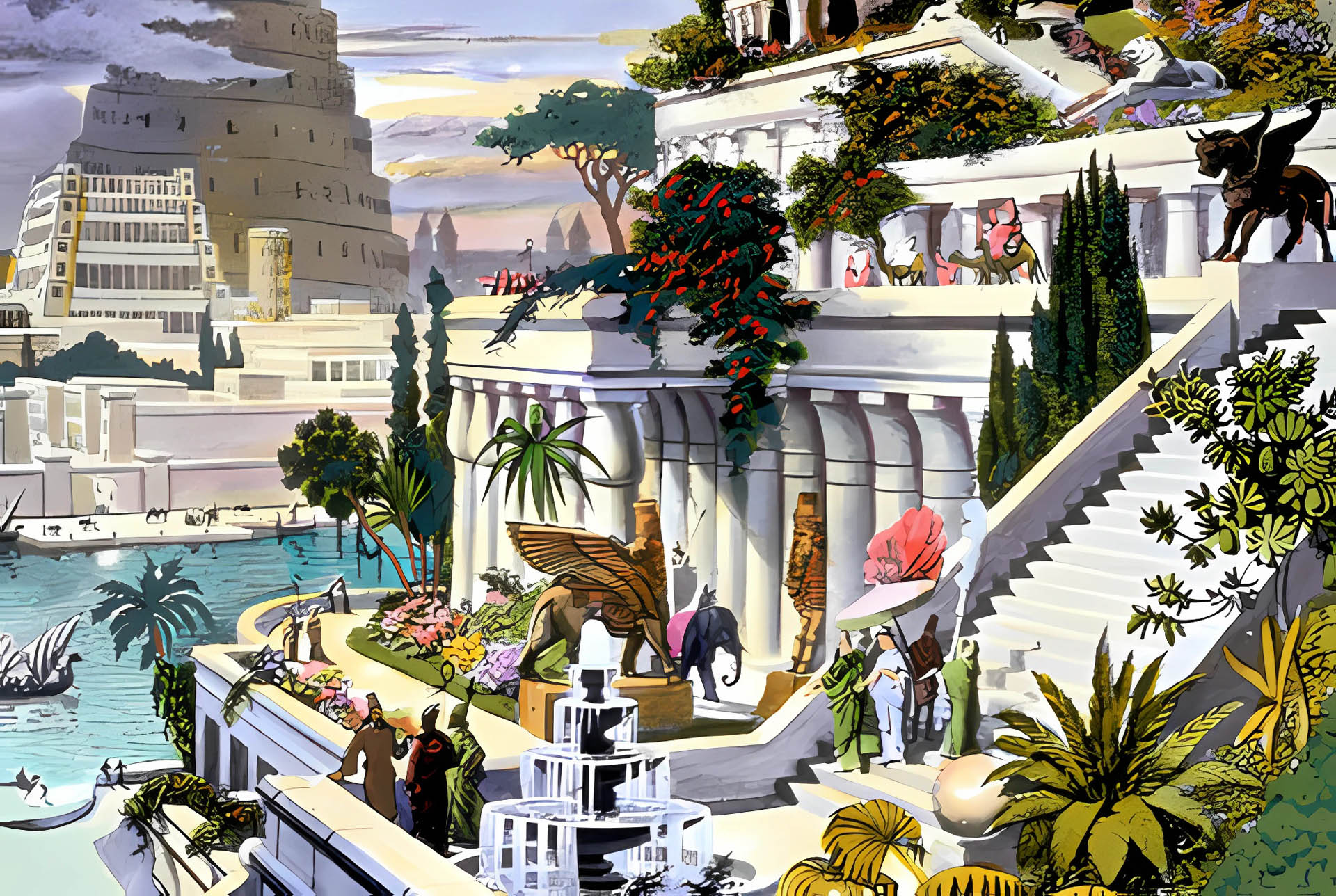
THE HANGING GARDENS OF BABYLON — The title of this temporary artwork is inspired by an etching/engraving of the Hanging Gardens of Babylon (made in 1572) designed by the Dutch artist Maarten van Heemskerck (Heemskerk, 1498 – Haarlem, October 1, 1574) and engraved by Philips Galle. This work is part of his famous eight-part series on the Seven Wonders of the World. According to legend, the 'Hanging Gardens of Babylon' were created by Nebuchadnezzar in or near what we call Baghdad today. He did this because his wife, Amytes of Media, was unhappy in this urban environment. She missed the greenery of nature.
Maarten van Heemskerck's artwork inspired me to start a dialogue with all those involved with this nature reserve. I proposed inviting materials from outside the nature reserve inside. This negotiation process ultimately determined the visibility of this artistic intervention. The on-site collection consisted, for example, of cars from the car dealership boulevard, shipping containers from the industrial area, and bulb crates from flower bulb cultivation. This artistic process led to interesting and sometimes heated discussions about the conditions of the nature reserve. It prompted the public to reflect on the conditions of this nature and yielded new insights.
This temporary artwork was realized in collaboration with Jaap Velserboer and Ronald Tebra, the Stichting Beeldende Kunst Manifestatie Heemskerk, the North Holland Water Supply Company, PWN, car dealers Klok & Thissen and Poelenburg, Multimade Heemskerk, MIK Furniture & Interior Koevoets, and, of course, all the volunteers who made The Hanging Gardens of Babylon possible.
During the realization of the project, two videos were produced: 'Functor' and 'The ode'.
If you would like to stay informed about my activities, you can subscribe to my newsletter here.
Best regards, Edwin Stolk.